
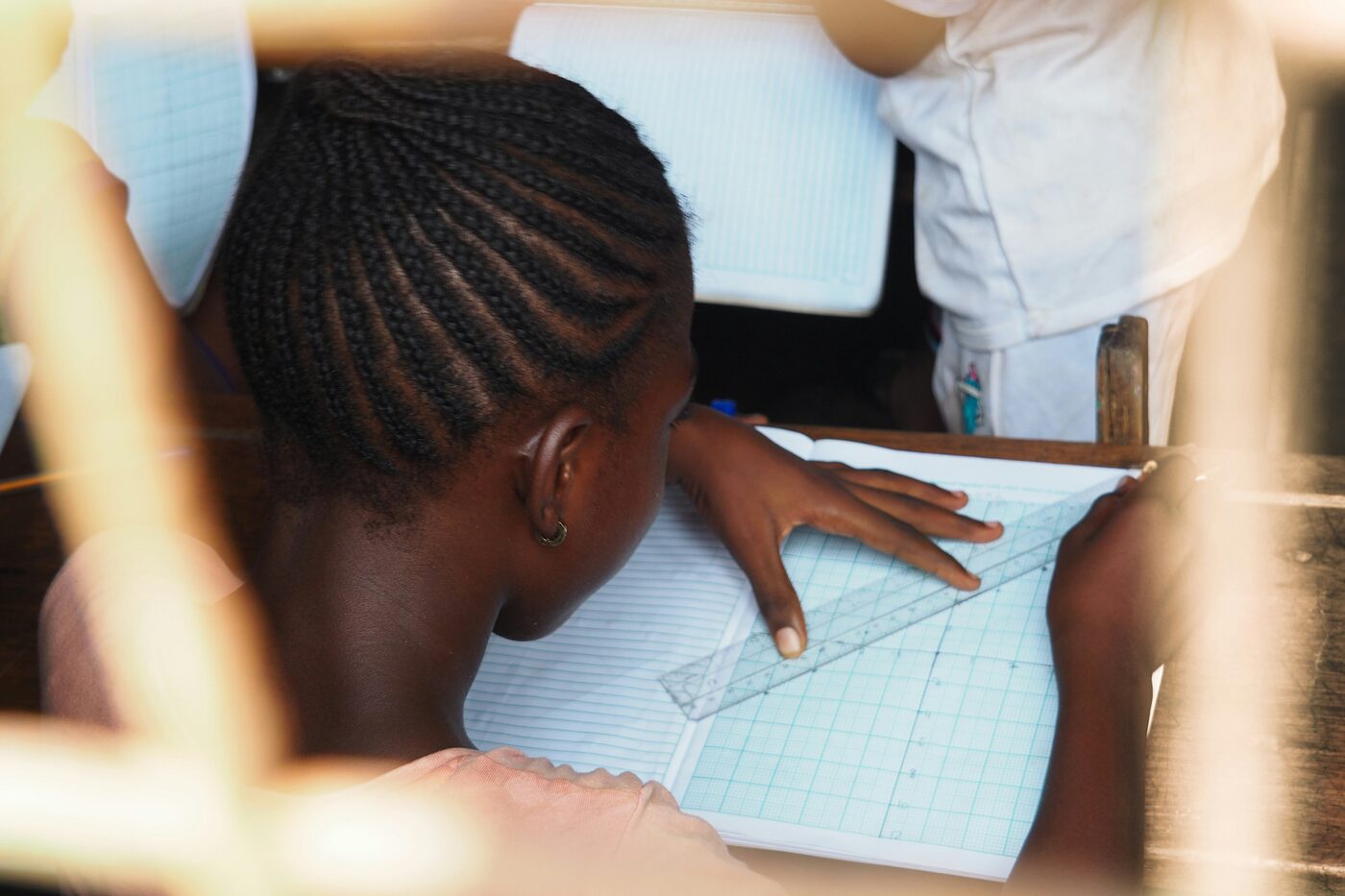
Potential is everywhere.
Pathways are not.
We work where education, skills, technology, wellbeing and opportunity meet, creating practical pathways that help people move forward.
We don’t start with programmes.
We start with barriers.
A lack of opportunity rarely has a single cause. Education, access to technology, confidence, exposure, wellbeing and economic opportunity are often connected. Our work looks at those connections and builds practical pathways around them.
Five areas.
One connected ambition.
Education
& Skills
Digital
Inclusion
Youth
Development
Employment
& Opportunity
Community
& Partnership
These areas influence each other. A learner may move through more than one pathway as they grow.
Learning should
open doors.
The Foundation supports practical learning, mentorship, personal development and exposure that can expand young people’s understanding of what is possible.
- • School Engagement
- • Mentorship
- • Practical Skills
- • Career Exposure
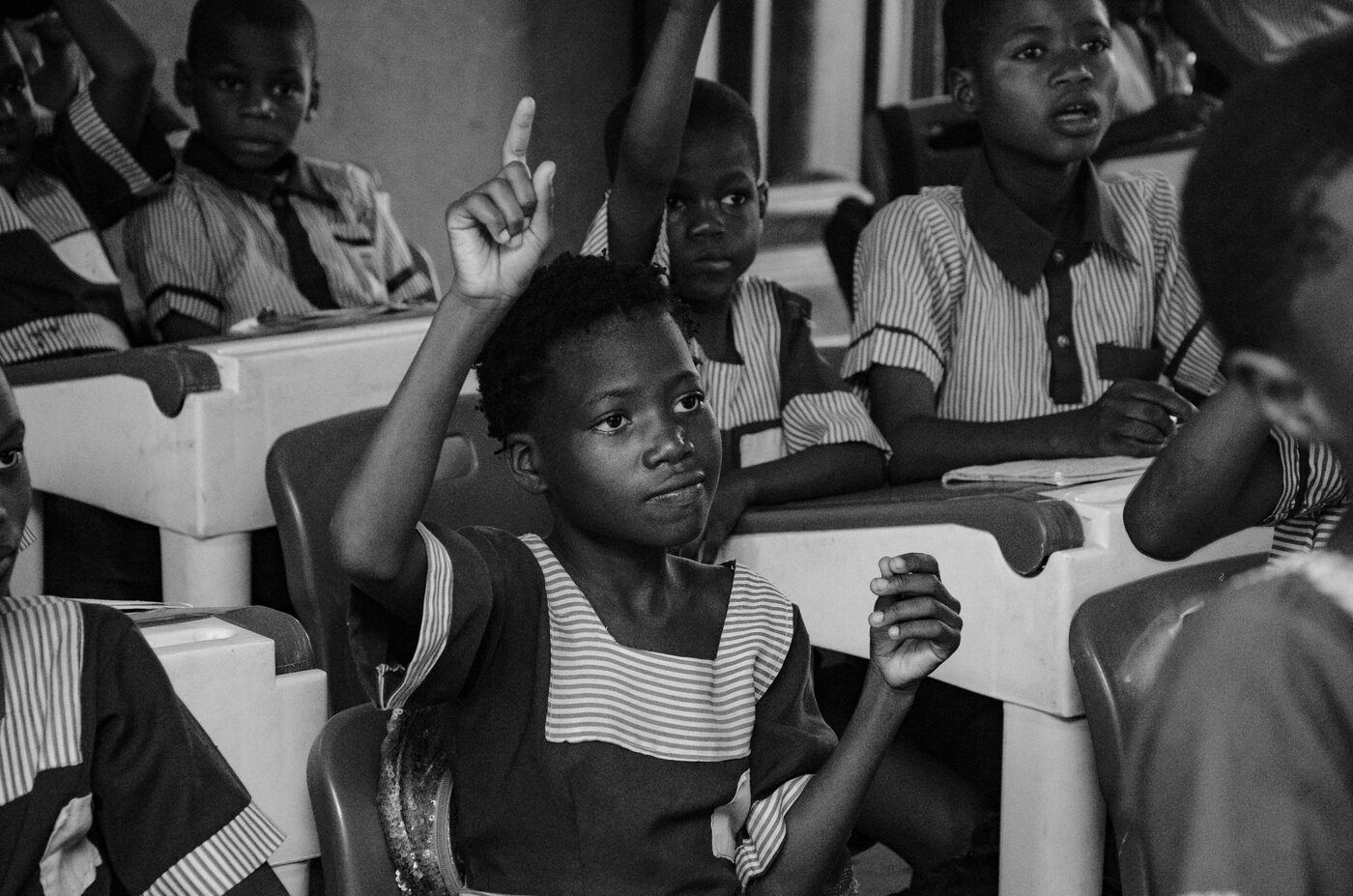

Digital capability is becoming basic infrastructure for opportunity.
The Foundation helps young people build practical confidence with technology and develop relevant digital capability for education, work and the future.
- • Computer Skills
- • Digital Literacy
- • AI Awareness
- • Tech Workshops
Opportunity means little if young people don’t believe they belong in it.
We create awareness, conversations, pathways and connections around identity, resilience, and personal development.
- • Identity & Confidence
- • Resilience
- • Mental Wellbeing
- • Positive Choices

Know Who You Are
Unfiltered. Own Your Story.
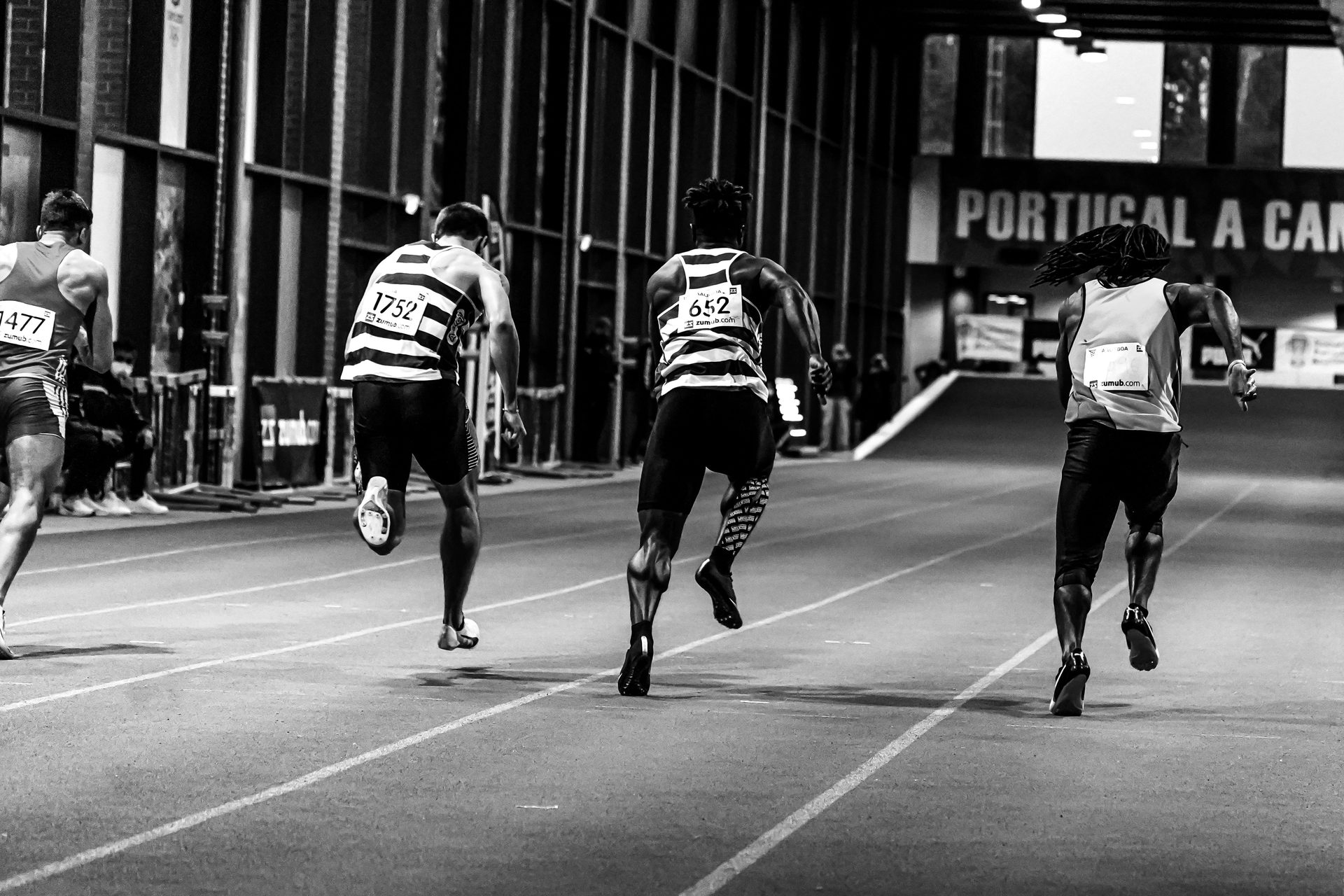
Know Who You Are brings together movement, identity, wellbeing and community participation through a growing platform of conversations, experiences and the Festival & Road Race.
17–20 March 2027
University of Limpopo · Turfloop Campus
Skills matter most when they lead somewhere.
The Foundation’s long-term ambition is to help strengthen pathways between learning, exposure, capability and opportunity.

Lasting change is built with people, not for them.
We work alongside schools, universities, community organisations, families and young people. Community is not a beneficiary category—it is our partnership in this work.
The activity is not the outcome.
Access
Can someone participate in the programme?
Engagement
Are they meaningfully involved and present?
Capability
What knowledge, skill, confidence or exposure changes?
Pathway
What becomes possible next for the individual?
Outcome
What structural or life change is visible over time?
From understanding the challenge
to creating a pathway.
Our work begins with understanding the people, context and evidence behind a challenge. From there, we design, deliver and learn — using what we discover to strengthen what comes next.
Understand
Start with the challenge.
Understand the people, context and evidence before deciding what to do.
Design
Build for the context.
Shape a response that fits the real setting, not a generic template.
Deliver
Work alongside people.
Deliver with schools, communities, institutions and partners rather than treating communities simply as recipients.
Learn
Understand what happened.
Listen, measure and reflect on what worked, what did not and what the evidence is telling us.
Build Forward
Turn learning into the next pathway.
Use what we learn to strengthen future interventions, partnerships and opportunities.
Active and Developing Pipeline
Education & Skills Foundation
Established partnerships with local schools and the University of Limpopo for immediate programme delivery.
Workplace Readiness Pilot
Preparing frameworks for employer partnerships and internship pathways to be piloted in late 2026.
Your organisation could
strengthen the pathway.
Funding matters. So do expertise, technology, opportunity, infrastructure, networks and people.
The goal isn’t another programme.
It’s another possibility.
We are building pathways that help people move from potential towards opportunity.
See How You Can Get Involved